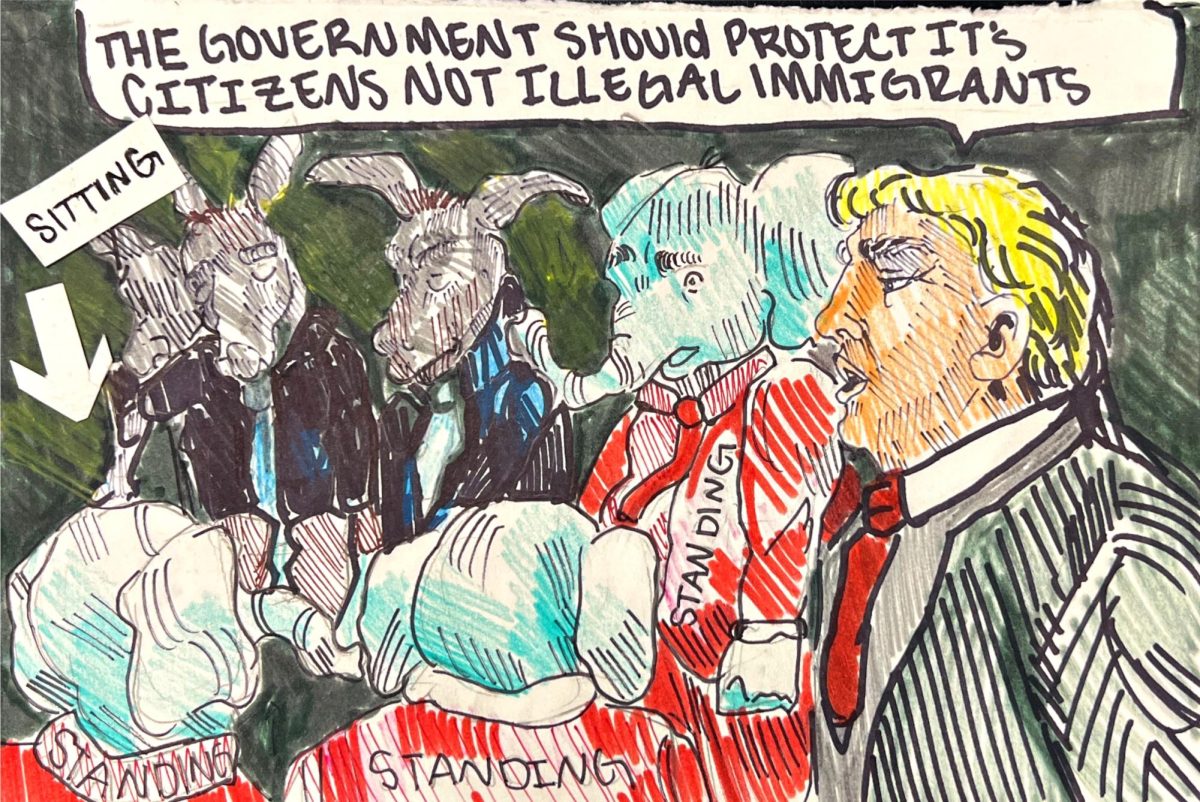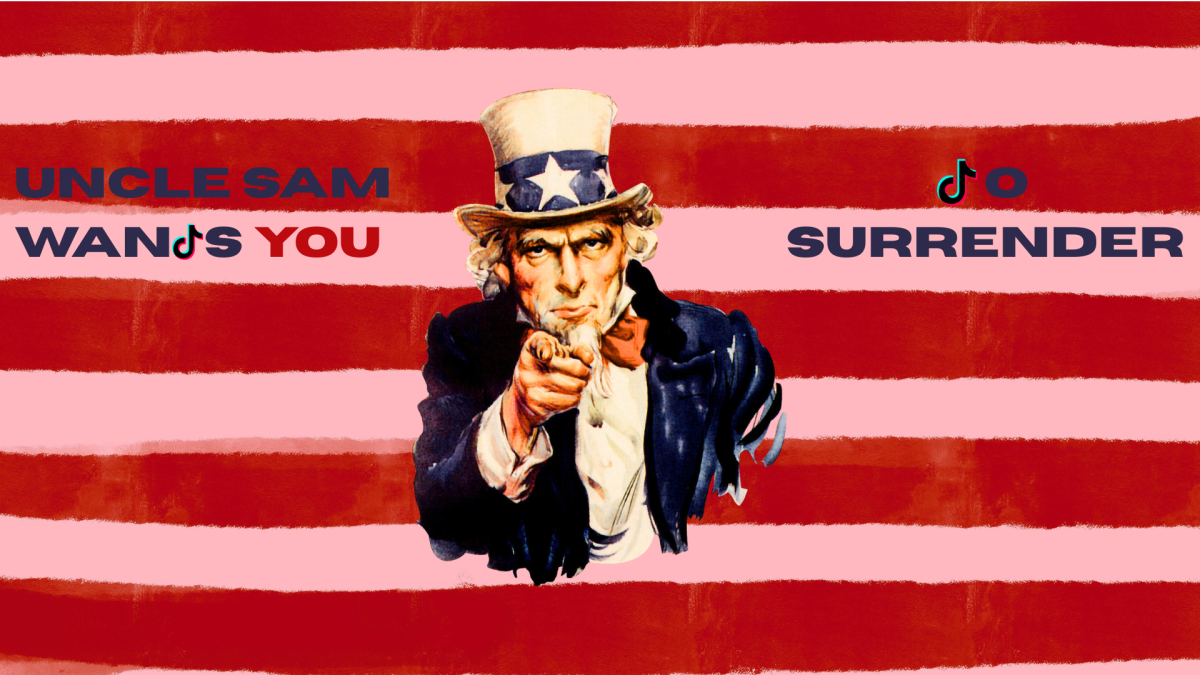
Finally, the Trumpian prophecy has been fulfilled; TikTok has been sold to an American company. For the last six years, the short form video app, TikTok, has been at the forefront of national security debates in Washington, D.C., as both political ends of Congress have found a unique unity in scrutinizing the Chinese-created app. With the platform’s unprecedented domination in American media and culture during and following the COVID-19 pandemic, concerns in the United States Government arose as its Chinese ownership came into the limelight in a new era of tensions between the two economic superpowers. Emboldened by its fervent support, the United States Congress passed a bill in early 2024, sending an ultimatum to TikTok’s parent company, ByteDance, and more bullishly to China: relinquish your ownership or forfeit the American market. Unfortunately, ByteDance chose the former. Now, in what has been nothing short of a political seizure of narratives, the Trump Administration has declared an American victory for the security of its users; yet, censorship remains flagrant, and more frighteningly, private information is now at the mercy of the federal government at a time of dissenting suppression and spoonfed perspectives.
The TikTok question began in the late 2010s, with governmental agencies, officials, and U.S. citizens alike decrying and demanding investigations of TikTok’s user information practices. Anti-China sentiments were the primary force behind the national speculation on the social media platform and were further galvanized by then-President Trump’s outspoken, stark, tariff-laden rhetoric, often belittling and lambasting the country and its alleged predatory practices in information collection. However, as the country encroached into the 2020s, the COVID-19 pandemic sidelined just about all other political endeavours in the government, and as a consequence, TikTok became nothing short of an irrelevant affair in Washington for the time being. It was only in the midst of a new government, one spearheaded by an elder veteran politician, President Joe Biden, and a Democratic-controlled Congress, that the vigorous campaign for banning or acquiring TikTok reemerged. Consequently, Congress passed the PAFACA Act and thus required ByteDance to either divest its ownership within a fiscal year or suffer a blanket ban on its applications in the United States.
However, as the 2024 election cycle churned forward, an unexpected protestor pompously promised a resolution for America and TikTok, a protestor who once heralded the title of “President of the United States” and was seeking to champion such an accomplishment again. That protestor was Donald J. Trump. For the next year, TikTok and its American users begrudgingly idled in a sort of purgatory, waiting either for the seemingly inevitable ban that would erase access for hundreds of millions of users to arrive or for the possible Napoleon-esque return of Trump to liberate TikTok from its fate. As President Trump squeaked through the election with a presidential victory and tight margins in Congress, the nation was assured that TikTok would not be banned, but rather some form of a deal would be made; that deal came through in late January, as, following his inauguration, the President declared in a slew of legally-dubious executive orders that TikTok’s ban was postponed. What followed was the full realization of President Trump’s ambitions for rebranding anything and everything foreign.
On January 22, 2026, TikTok was officially sold to a joint venture of American technological companies under the name TikTok USDS JV. This venture is composed of many giants of Silicon Valley, including tech giants like Oracle, MGX, Silver Lake, and Dell, all of which have had some level of influence over the current administration through financial streams, dinner events, cryptocurrency summits, and investment groups, as highlighted by an article published by the Transnational Institute. This direct, legally grotesque influence over the President of the United States posits a deep concern in the nature and repercussions of the American ownership of TikTok. One’s ownership of TikTok, the information they receive through the app, as well as their ability to communicate sensitive topics like the recent deaths in Trump’s Operation Metro Surge Minneapolis or the baffling content of the Jeffrey Epstein files is all at the consent of Big Tech, and more importantly, at the behest of the President of the United States. National security and American interests were never the government’s concern when seizing TikTok.
In a world that neglects its failures with echoes of false nostalgia and sycophantic solutions, often through Orwellian means, the truth becomes muddled, and for TikTok, it is no less valid. The American ownership of TikTok does not belong to the American people, nor will it ever. TikTok in the Golden Age of America is nothing short of a security tragedy.