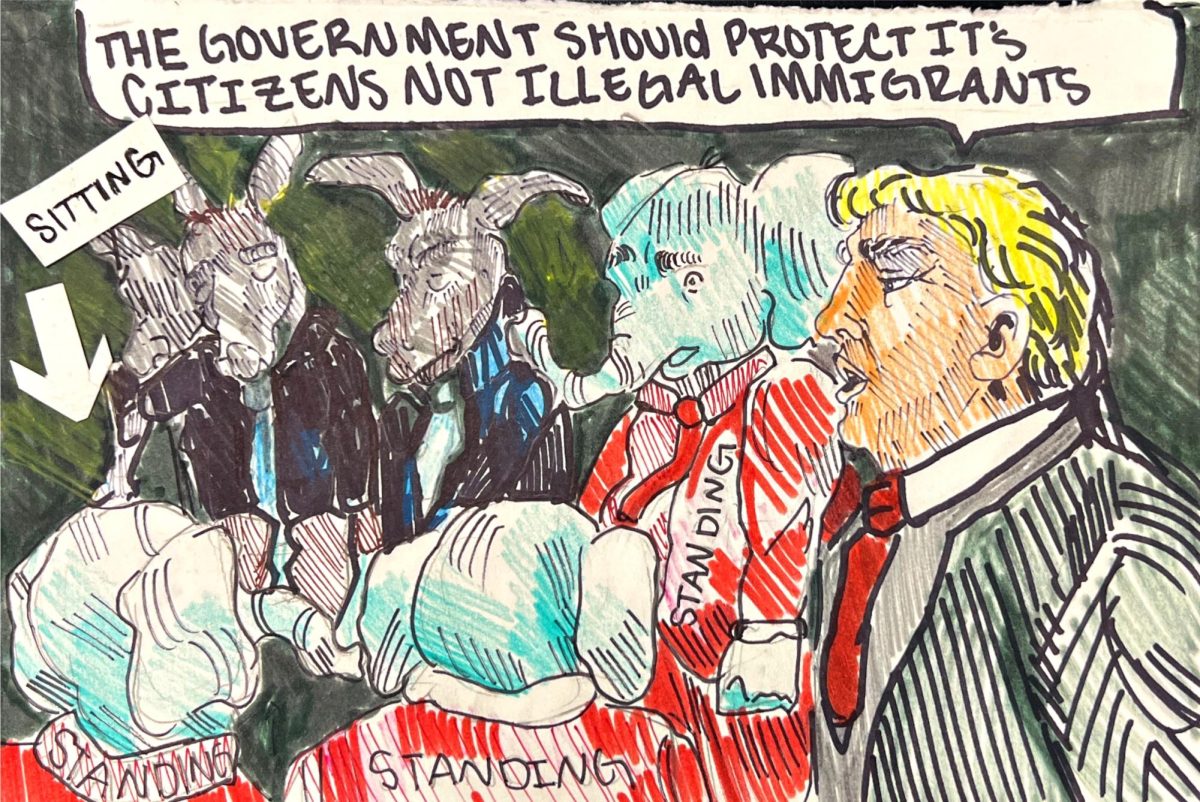
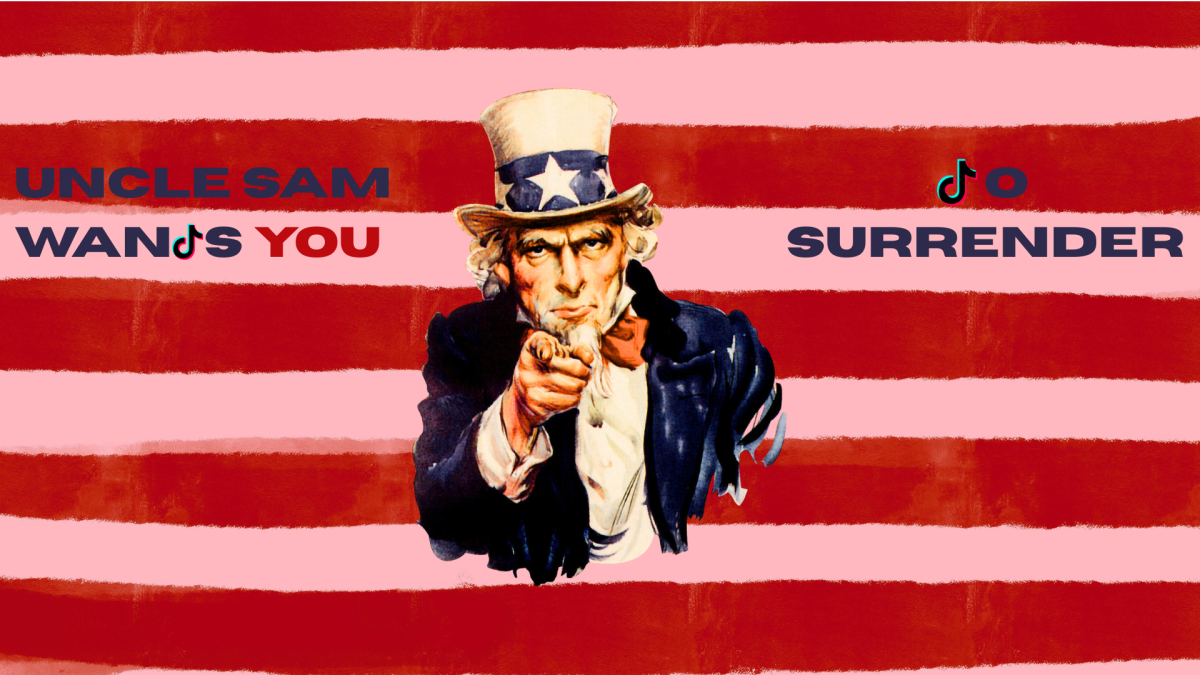
His name is referenced in the Epstein files more than ‘Harry’ is in all seven Harry Potter books, and more than God is in the Bible. He denies the existence of climate change. He refers to political opponents as “scum” and “Marxists.” He terminated 83% of USAID in 6 weeks. He refused to apologize after the White House posted an AI-generated video of the Obama family as apes. Within hours of taking office, he signed an executive order contradicting the 14th Amendment.
Donald J. Trump is many things, but moderate is not one of them. While in his State of the Union address, he claimed a “new golden age” has arrived for the U.S., the domestic and international consequences of his actions prove otherwise. On the world stage, his policies have ushered in an age of uncertainty by upending decades of established international norms. Internally, his actions have contributed to political and economic insecurity.
Rebranding the Department of Defense to the ‘Department of War’ wasn’t a superficial makeover; it was the start of a term defined by unconventional, extreme measures. In early January, the U.S. captured and removed Venezuelan President Nicolas Maduro from power. This was done without a U.N. Security Council mandate or declaration of war, in spite of international law. As a world leader, the U.S. is a voice of reason in international politics, often seen as the gold standard for diplomacy. But, if we are able to invade another nation’s sovereignty with no consequences, why should we be able to condemn other nations for doing so? Trump’s actions, done without congressional approval, will have long-term consequences for our global image and diplomatic authority.
Domestically, Trump continues to make headlines. Created to reduce unnecessary spending, his Department of Government Efficiency reduced federal employment and cut essential social service programs. Included in the widespread cuts were $3 billion in grant programs for women’s health and violence prevention services, according to the Council on Criminal Justice.
At the start of his term, his cabinet members were chosen not for their expertise, but for their loyalty to Trump. From vaccine-sceptic Robert F. Kennedy Jr. to former WWE cofounder Linda McMahon, his choices of executive branch leaders were bilaterally criticized.
As for the economy, his ‘reciprocal tariffs’ are devastating. Not only do they upend global supply chains, but domestically, businesses are hit hard. For U.S. industries that rely on raw materials from other countries, tariffs make importing far more expensive. According to CNBC, American businesses faced up to a 15% increase in supply chain costs. To consumers, this means higher-priced products and a worsened job market due to the layoffs many businesses were forced to make. Republicans argue that disincentivizing imports could lead to domestic manufacturing. But there are better ways to achieve narrowing the trade deficit without hurting American consumers and lowering our GDP. By rewarding the businesses that adhere to beneficial practices like domestic production rather than suddenly skyrocketing import prices, the U.S. economy could become self-sufficient without the numerous drawbacks associated with tariffs.
The warning signs are not subtle. While he may reference a “new golden age,” America’s future depends on sustainable growth, not slogans.